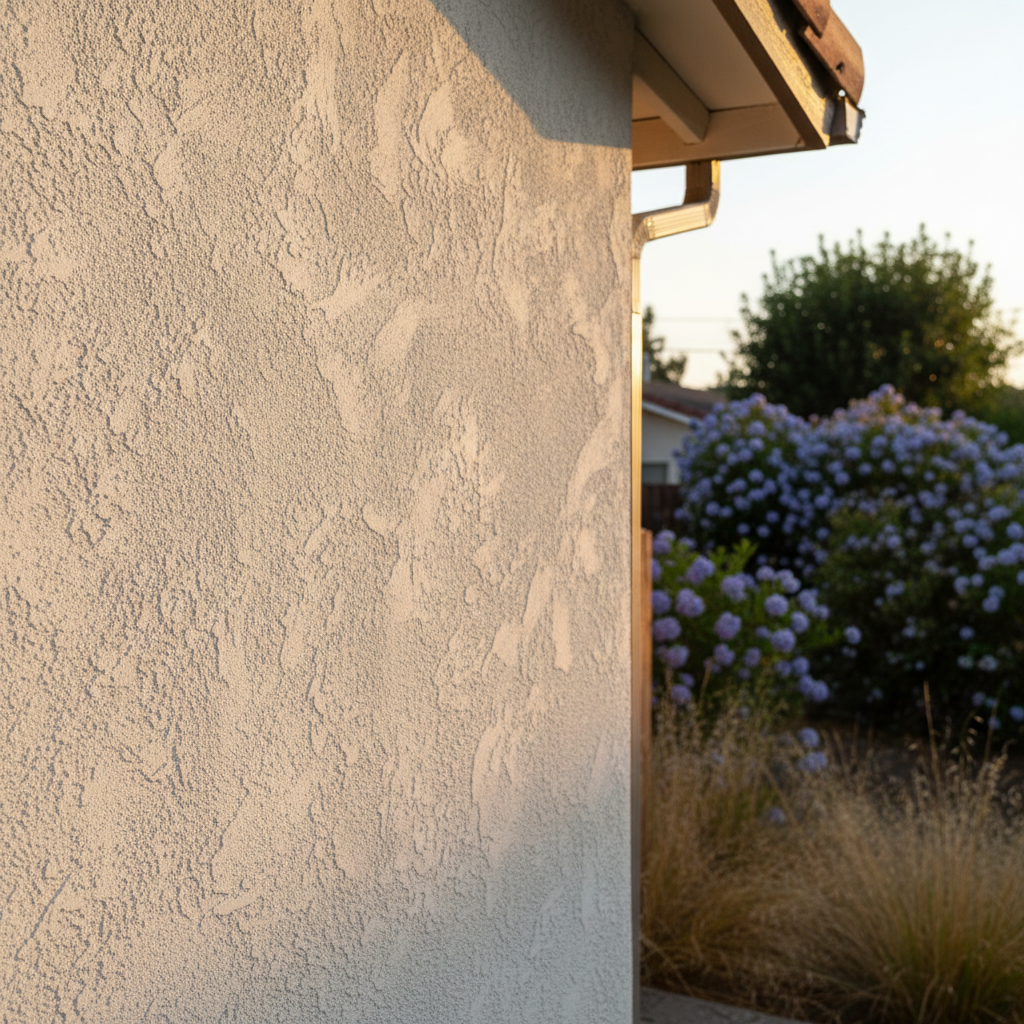
Is Your Stucco Done For? Here's How to Tell
So, you're looking at your stucco and thinking, "Man, this stuff is really showing its age." Maybe it's not just a few cracks anymore. Maybe you've got big chunks missing, water stains, or it just looks tired and faded. That's when you start thinking about stucco replacement. Now, before you grab a hammer and start swinging, let's talk about what you're really getting into. I see a lot of homes around the Phillips Ranch area, especially those built in the 70s and 80s, where the original stucco is just past its prime. The sun, the occasional heavy rain we get, and just plain old time really take their toll.
First, you gotta figure out if it's truly replacement time or if a good repair job would do the trick. If you've got widespread cracking, soft spots, or if the stucco is peeling away from the wall (we call that delaminating), then yeah, replacement is probably on the horizon. If it's just a few hairline cracks or a small ding, you can probably patch that up yourself. But if it's more than 20-30% of a wall, or if you're seeing signs of water getting in behind the stucco, don't mess around. That's when you need to start planning for a bigger project.
What You Can (Maybe) Do Yourself
Alright, let's be real. Stucco replacement isn't like painting a wall. It's a multi-step process that needs specific materials and know-how. Can you do *some* parts yourself? Sure, maybe. But you need to be honest about your skills and your time.
- Demolition: If you're strong and careful, you can probably tear off the old stucco. You'll need a pry bar, a hammer, a shovel, and some serious eye protection. Be ready for a lot of dust and debris. You'll also need a plan for hauling away all that old material. This is probably the most 'DIY-friendly' part of a full replacement, but it's still a huge job.
- Prepping the Surface: Once the old stuff is off, you'll see the sheathing underneath. You might need to make some minor repairs to the sheathing or framing if there's any rot. This requires a bit more carpentry skill.
That's about where I'd draw the line for most homeowners. Anything beyond that, and you're getting into specialized trades. Installing the new weather barrier, lath, and multiple coats of stucco correctly is crucial. If you mess up the weather barrier, you're inviting water damage, mold, and a whole host of expensive problems down the road. It's not just about making it look good; it's about making it perform.
When to Call a Pro (Seriously, Call a Pro)
Look, I'm a contractor. I've seen the good, the bad, and the ugly. And the ugly usually comes from someone trying to save a buck and doing a job they weren't qualified for. Here's when you absolutely, positively need to call someone like me:
- Water Damage: If you suspect water has gotten behind your stucco, you need a professional to assess the damage and fix it right. This isn't just about patching; it's about finding the source, repairing any rot, and making sure the new system is watertight.
- Structural Issues: If the underlying sheathing or framing is compromised, that's a big deal. You need someone who knows structural repair.
- Multi-Layer Application: Applying the new stucco involves a scratch coat, a brown coat, and a finish coat. Each layer needs to go on at the right thickness, cure properly, and bond with the previous layer. This takes skill, experience, and specialized tools.
- Matching Existing Textures/Colors: If you're only replacing a section and want it to blend seamlessly, a pro has the expertise to match textures and colors. This is harder than it looks.
- Permits and Building Codes: In Pomona, any significant exterior renovation like a full stucco replacement usually requires permits. A good contractor knows the local codes and handles the permit process. You don't want to get caught doing unpermitted work.
- Time and Equipment: Do you have weeks to dedicate to this project? Do you have a mixer, scaffolding, specialized trowels, and all the safety gear? Most folks don't.
When you hire Pomona Stucco Solutions, you're not just paying for labor; you're paying for years of experience, the right tools, and the knowledge that the job will be done correctly and up to code. We know the ins and outs of stucco, from traditional three-coat systems to synthetic options, and we make sure your home is protected and looks great.
After the Stucco is Replaced: Keeping It Strong
Once your new stucco is up, you're not entirely off the hook. You need to do a little maintenance to keep it looking good and performing for decades. Regularly inspect your stucco for any new cracks, especially after heavy rains or seismic activity. If you see small hairline cracks, you can usually seal those with an elastomeric caulk designed for stucco. Keep your gutters clean so water drains away from the house, and make sure your landscaping isn't pushing up against the stucco, which can trap moisture.
A good quality paint or elastomeric coating can also extend the life of your stucco and provide an extra layer of protection, especially against our intense summer sun. Just make sure it's breathable so moisture doesn't get trapped underneath. If you keep an eye on it and address small issues quickly, your new stucco will stand strong for a long, long time. Don't wait until those little cracks turn into big headaches. A little preventative care goes a long way.