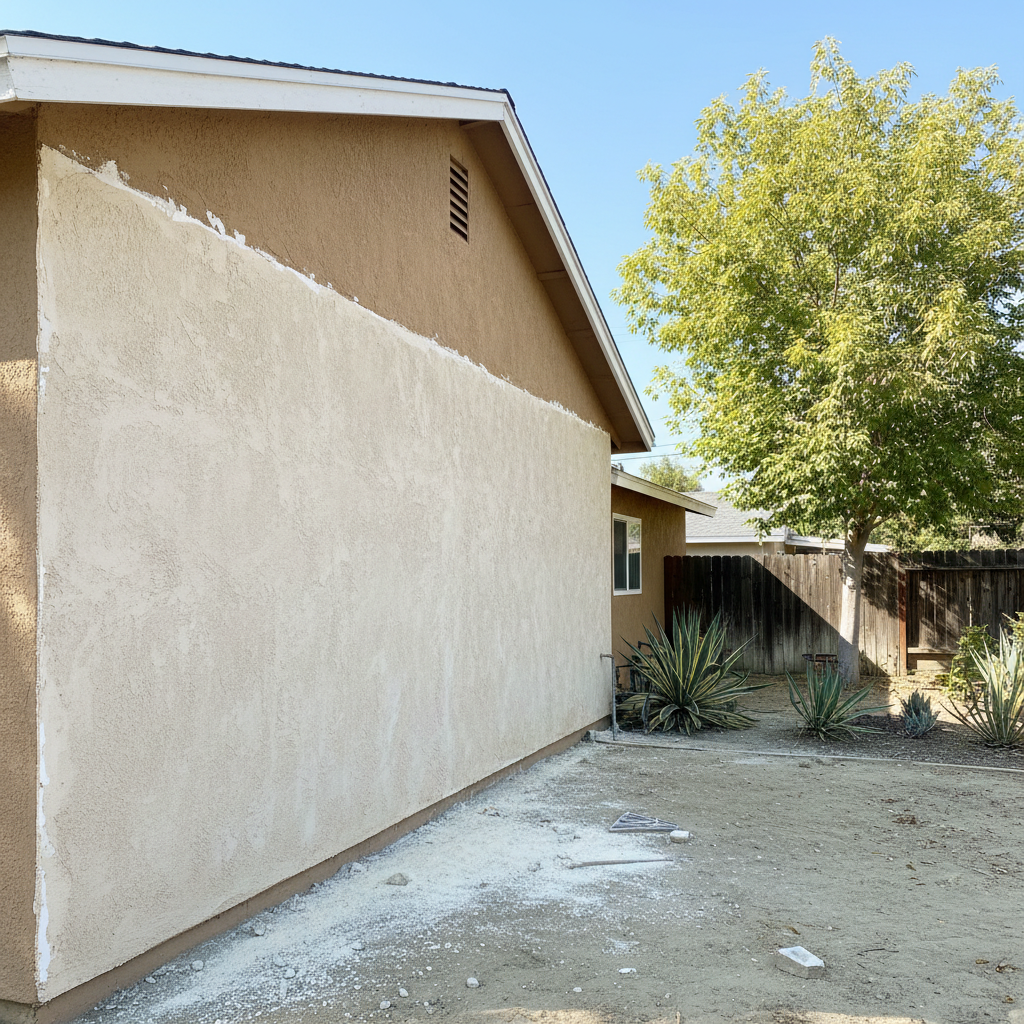
So, you've just finished the stucco removal process. Maybe you've put up new siding, or you've prepped everything for a fresh stucco finish. Either way, that's a big step! But the work isn't really done just because the old stuff is off. You've poured time and money into this, and now you need to protect that investment. Here in Pomona, with our scorching, dry summers and those occasional wet winters, good maintenance isn't just a nice idea; it's absolutely crucial.
Making Your Exterior Last Longer
Once you've ripped off the old stucco, what comes next truly depends on your new exterior. If you went with new siding, like fiber cement or wood, the main thing is proper sealing and painting. Make sure all the joints are properly caulked with a high-quality, paintable sealant. Seriously, don't skimp here. That caulk is your first real defense against moisture. As for paint, two coats are almost always better than one, especially on a fresh surface. It creates a thicker, more durable shield against the sun's UV rays, which, let's be honest, can really bake a house out here in the Inland Empire.
Now, if you're putting on new stucco, its longevity mostly comes down to how well it was installed in the first place. That means the right lath, weep screeds, and a solid base coat. Once it's cured, a top-notch finish coat and a good elastomeric paint will give you the best protection. These paints are flexible, so they can handle the slight expansion and contraction we get with our temperature swings without cracking all over the place.
Regular Upkeep: What You Should Be Doing
You don't have to be out there every single weekend, but a little regular attention really pays off. I tell my clients this all the time:
- Annual Inspection: Just walk around your house once a year. Honestly, take a good, hard look. Check for cracks, peeling paint, or any spots where water might be sneaking in. Pay extra attention around windows, doors, and where different materials meet.
- Cleaning: Dirt, dust, and even some mildew can build up, especially on north-facing walls that don't get much sun. Usually, a gentle wash with a garden hose and a soft brush does the trick. For tougher spots, a mild detergent and water mix works. Just be super careful with pressure washers; too much pressure can damage stucco or even force water behind your siding.
- Keep it Clear: Make sure shrubs and trees aren't growing right up against your house. They hold moisture against the wall and can scratch surfaces. Trim them back so there's at least six inches of clear space. Oh, and keep an eye on your gutters too. Clogged gutters can overflow, sending water cascading down your walls, which is a big no-no for any exterior.
Signs of Trouble to Watch For
Knowing what to look for can save you a ton of headaches, and money, down the road. Here are the big red flags:
- Cracks: Hairline cracks are pretty normal, especially in stucco. But if you see cracks wider than a credit card, or if they look like a spiderweb, or if they're horizontal and just keep going, that's a real problem. These can signal structural movement or serious water getting in.
- Stains or Discoloration: Dark streaks, particularly below windows or along the foundation, often mean water is finding its way in somewhere. Green or black patches usually point to mildew or algae, which just love damp conditions.
- Bulging or Soft Spots: If you push on a part of your stucco or siding and it feels soft, or if you see areas that are bulging outwards, that's a serious sign of trapped moisture and rot underneath. Do not ignore this.
- Peeling or Blistering Paint: This often means moisture is trying to escape from behind the surface, or it could just be a sign of paint that didn't stick well.
When to Call a Professional
Look, I'm a contractor, so yeah, I'm biased. But some jobs just aren't for DIY. If you spot any of those serious warning signs – wide cracks, bulging, or significant water damage – it's definitely time to call someone like us at Pomona Stucco Solutions. Don't wait until the problem gets worse. What might be a relatively simple repair right now can easily turn into a full-blown re-siding or re-stucco job if you let it go unchecked.
Also, if you're not comfortable getting on a ladder to inspect high areas, or if you're not sure how best to clean a particular stain, it's always smarter to hire a pro. We've seen just about everything, and we know how to fix it right the first time. Protecting your home's exterior isn't just about how nice it looks; it's about keeping its structure sound and safeguarding your investment. Stay vigilant, and your home will thank you for years to come.