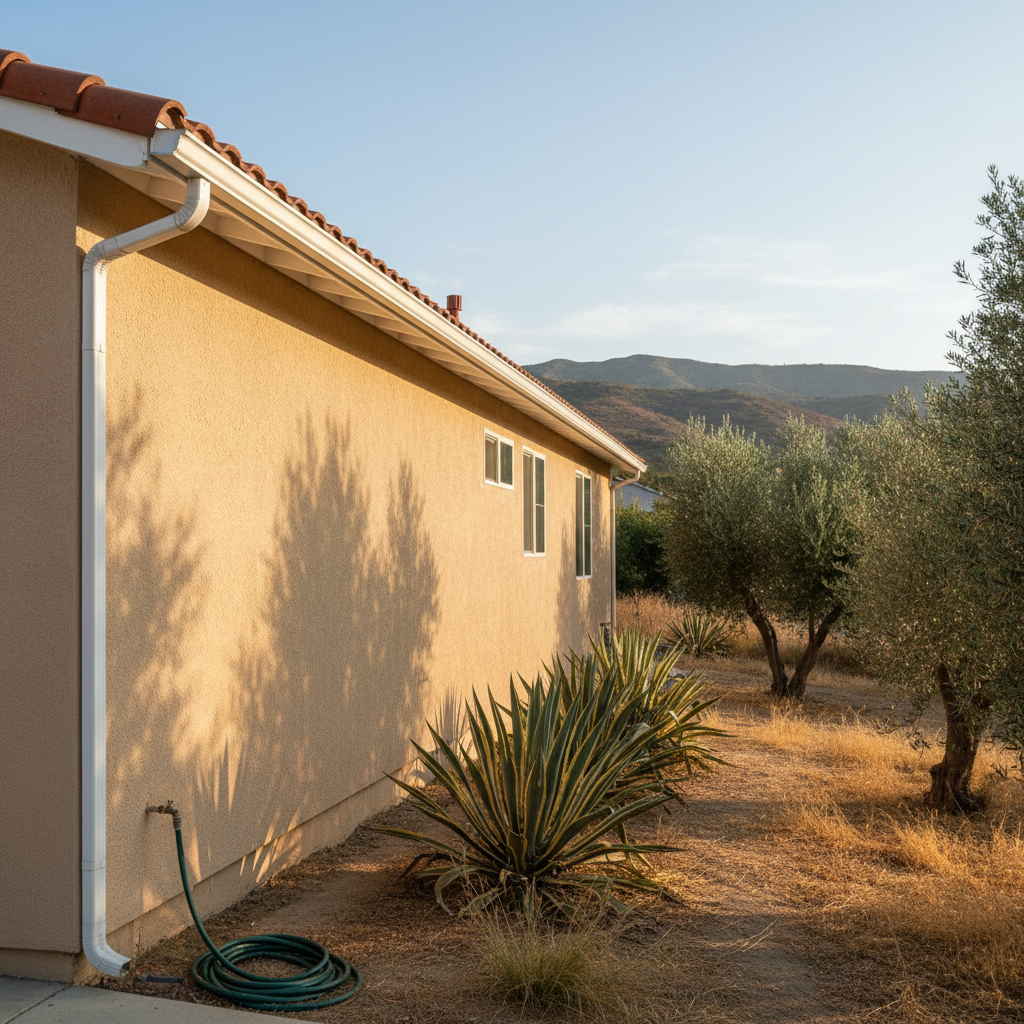
Commercial stucco really pulls its weight, especially here in Pomona. It's tough, looks good, and shrugs off our wild weather swings – from those scorching August days to our occasional damp winters – without much fuss. But "not much fuss" doesn't mean "no fuss at all." If you want your business's exterior to keep looking sharp and protect your investment for decades, you've got to pay it some mind. Think of it like a check-up for your building.
Making Your Stucco Last Longer: It's All in the Details
The biggest thing you can do to extend your stucco's life is keep water out. Sounds simple, right? But water is stucco's archenemy. When I'm on a job, whether it's a storefront downtown or a warehouse out in the industrial park near the fairgrounds, I always tell folks to check their drainage. Make sure your gutters are clean and working right, pushing water away from the foundation. If water just sits around the base of your building, it'll eventually find a way into that stucco. Also, keep an eye on your landscaping. Trees and shrubs growing right up against the wall can trap moisture and even damage the stucco directly. Give your building some space to breathe.
Routine Upkeep: What You Should Be Doing
This isn't rocket science, but it does need a little consistency. Here’s what I tell commercial property owners:
- Clean it regularly: Dust, grime, and even mildew can build up, especially on north-facing walls that don't get much sun. A gentle power wash (and I mean *gentle* – too much pressure can really mess up stucco) or even just a good scrub with a soft brush, mild detergent, and water can make a huge difference. Do this once a year, maybe twice if your building is in a busy spot.
- Check those sealants: Pay close attention to where the stucco meets other materials – around windows, doors, and expansion joints. These are crucial spots. The caulking or sealant there can dry out and crack over time, especially with our intense sun. See cracks? Get them re-sealed. It's a small fix that prevents big headaches.
- Look for cracks: Small hairline cracks are pretty normal in stucco; it's a rigid material, after all. But larger cracks, especially ones wider than a credit card or that spread out like a spiderweb, need a closer look.
Warning Signs: Don't Ignore These
Your building will tell you when something's wrong, if you just know what to look for. These are the red flags:
- Stains and discoloration: Dark streaks, particularly below windows or along the foundation, often mean water is getting in and running down inside the wall. Green or black patches? That could be mold or mildew, a sure sign of constant moisture.
- Bulging or soft spots: If you press on the stucco and it feels soft, spongy, or even bulges out, that's a serious sign of water getting in and damaging the lath and sheathing underneath. This isn't just cosmetic; it's structural.
- Cracks that are growing: Like I said, small cracks happen. But if you notice a crack getting longer, wider, or new cracks popping up fast, that's a problem.
- Efflorescence: This is that white, powdery residue you sometimes see. It's mineral salts left behind when water evaporates from inside the stucco. It means water is moving through the wall, which it absolutely shouldn't be.
When to Call a Professional (Like Us at Pomona Stucco Solutions)
Look, some things you can handle yourself, like a good wash. But when you start seeing those warning signs I just talked about, or if you're just not sure what you're looking at, it's time to bring in the pros. Trying to patch a serious water intrusion issue yourself can often make it worse or just hide the problem temporarily. We've got the tools and the know-how to properly diagnose the issue, repair the stucco, and make sure the underlying problem (like a leak) is fixed for good. Don't wait until a small issue turns into a massive, expensive headache. Getting ahead of it saves you money and keeps your business looking its best for years to come.